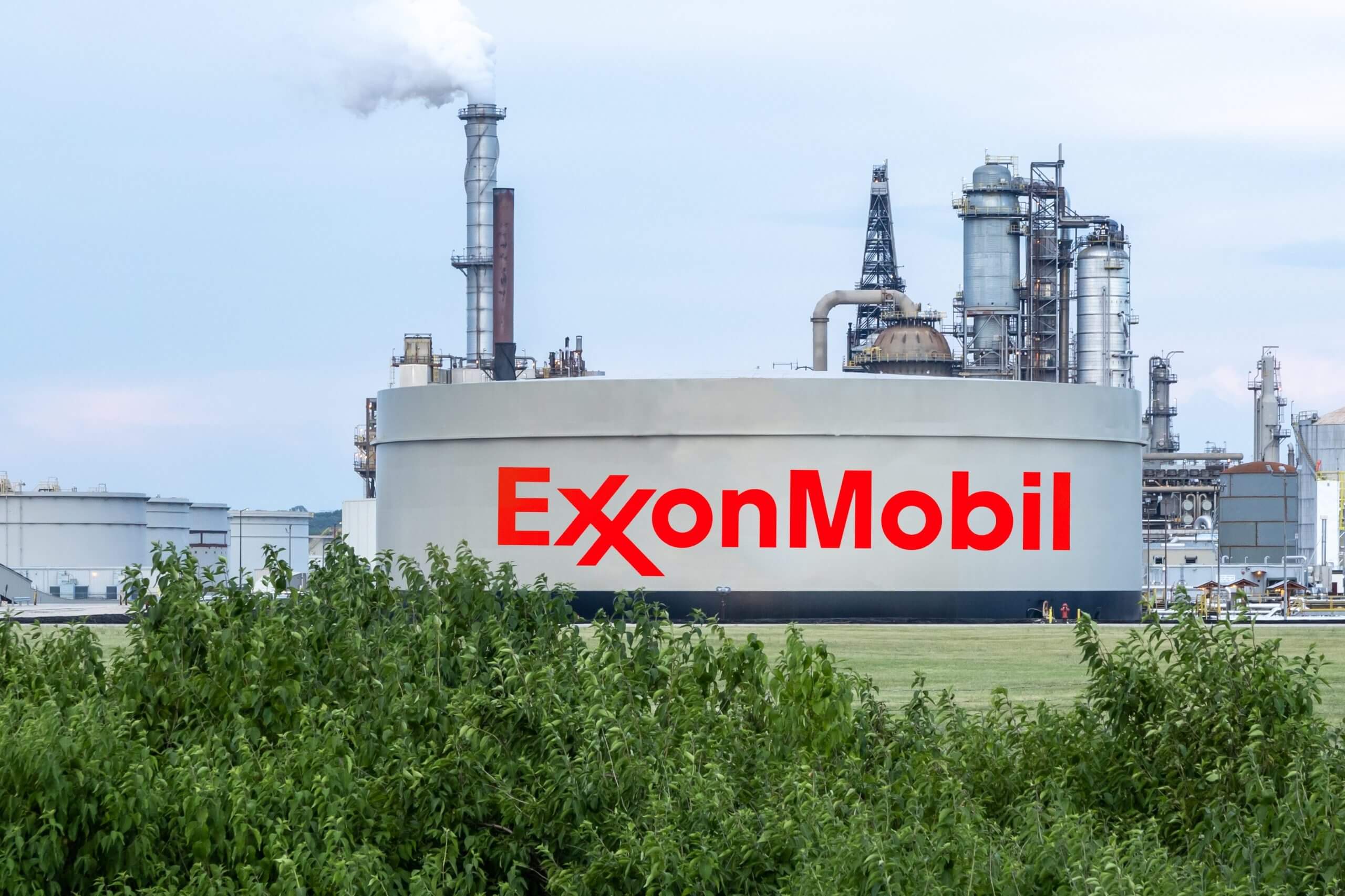

Years of hands-on manufacturing have shown me the difference a dependable supplier can make, especially on demanding production lines. ExxonMobil chemical materials have stood out time and again by delivering the sort of material consistency needed to maintain stable plant operations. The light-off of a new run or a seamless product switch always puts materials quality to the test. Small variance in melt index or density from shipment to shipment easily throws off process controls. Nobody can afford to halt lines because resin flow deviates or because unscheduled cleaning disrupts scheduled output. Tanks filled with ExxonMobil polymer consistently perform inside the targeted control windows. This sort of consistency translates into fewer headaches and less scrap, which over hundreds of cycles adds up to real cost control and peace of mind.Working with ExxonMobil doesn’t end at the delivery bay. Whenever challenges arise—from surface defects in films to pipe cracking under sustained load—their technical support teams engage with process engineers directly at the site, not through layers of distributor communication. We have leaned on their data, lab support, and expert troubleshooting in everything from complex blow molding runs to demanding compounding mixes. In one instance, a minor adjustment to the resin’s co-monomer content resulted in major savings in downstream additive usage. These are solutions rooted in data and developed with practical, shop-floor experience, not just theoretical recommendations from a spreadsheet. This back-and-forth makes it clear that for ExxonMobil, being reliable means addressing real-life problems alongside the people running line shifts.Facility uptime and product quality often depend less on headline announcements and more on backbone infrastructure—maintenance cycles, feedstock reliability, and plant redundancies. ExxonMobil allocates billions to refining and chemical integration, which keeps material supply stable and scalable even in volatile economic climates. From the perspective of a manufacturer, it isn’t about promotional claims but about real-world delivery. During global supply crunches, we’ve seen a huge difference between suppliers who scramble to allocate meager inventory and those with robust upstream and logistics planning. By tying chemical production closely with feedstock management and global logistics, ExxonMobil helps manufacturers avoid the pain of unplanned idle time and supply interruptions. Production managers appreciate not losing sleep over last-minute rescheduling or requalifying alternative lots mid-campaign.Manufacturers today face a maze of global regulations—REACH in Europe, FDA standards in North America, national chemistries in Asia. Each change in legislation means a scramble for updated product documents and compliance testing. ExxonMobil delivers comprehensive, up-to-date compliance support. I have participated in audits where regulators want chain-of-custody on every batch. ExxonMobil’s system made documentation and lot traceability straightforward. No time is lost chasing half-complete certification or ambiguous formulation notes. For the plant quality team, this level of transparency reduces compliance risk and speeds up time-to-market with new or reformulated products.Stewarding chemical materials means taking responsibility not just for product quality but for long-term sustainability. Whether sourcing circular feedstocks or meeting emissions benchmarks, ExxonMobil has adopted practical strategies on the ground. Closed-loop partnerships for polyolefin recycling and investments in lower-carbon production have real visibility at the shop level. On our lines, it’s possible to introduce high-performance grades manufactured with recycled content without sacrificing the mechanical properties that end-users expect. It creates a path to meet both business objectives and customer sustainability demands—an advantage that resonates when reporting on supply chain environmental impact.Chemical manufacturing is technical, but people drive continuous improvement. The relationships between our process leads and ExxonMobil teams have matured through plant visits, training events, and real-time troubleshooting. These aren’t transactional encounters. Product engineers and sales teams bring real knowledge to complex inquiries, from process optimization to designing next-generation material blends. Our team credits much of our process efficiency to training and insight gained directly from ExxonMobil specialists, not distanced representatives or third-party lesson modules.Experience has made clear which suppliers genuinely commit to long-term partnerships. Economic cycles, shipping crises, and raw material disruptions all filter out the pretenders. Throughout global shutdowns and price spikes, ExxonMobil’s communication and allocation process has been forward-thinking and predictable. Our plant managers rely on that stability to keep commitments to our own customers. In chemical manufacturing, this level of reliability defines more than short-term supply—it's the foundation for multi-year partnerships, production planning, and strategic upgrades.